School Learning Embroidery Design: A Practical Review
As an experienced designer and embroidery product reviewer, I recently had the opportunity to evaluate the School Learning embroidery design for real project use. This design is part of a collection of Icons and Graphics, and it's intended for a variety of creative applications.
First Impressions: Clean and Educational
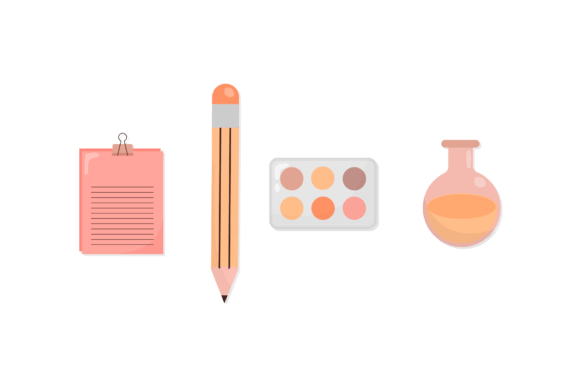
The School Learning design immediately evokes a sense of education and learning. The layout is clean and well-organized, with a mix of elements that are both visually appealing and thematically coherent. The design includes icons like books, pencils, and a graduation cap, which are all familiar symbols of academic achievement.
Real-Life Embroidery Scenarios: Versatile and Engaging
When considering how School Learning would perform in real-life embroidery situations, I envisioned a few scenarios:
- Custom Apparel: This design would be perfect for customizing school uniforms, sweatshirts, and t-shirts. It could also add a unique touch to tote bags, making them ideal for students or teachers.
- Baby Clothes and Nursery Decor: For baby items, the School Learning design can be used on onesies, bibs, and nursery decor. It’s a great way to introduce educational themes early on, and the simplicity of the design makes it suitable for smaller projects.
- Holiday and Personalized Gifts: During the holiday season, this design could be used for creating personalized gifts such as embroidered patches, pillow covers, and tea towels. It’s a thoughtful and practical gift for educators, students, and parents alike.
Performance in Real Embroidery Projects
When it comes to actual embroidery, School Learning performs admirably. The design is well-suited for a variety of fabrics and surfaces, but there are a few considerations to keep in mind:
- Small Hoop Sizes: While the design is generally versatile, it may not work well in very small hoop sizes. The details might become too compressed, leading to a loss of clarity.
- Textured and Thin Fabrics: Use caution when embroidering on textured or thin fabrics. The design’s intricate details and stitch density might cause puckering or distortion on these materials.
- Dark and Layered Fabrics: On dark fabrics, ensure that the thread colors provide enough contrast to make the design stand out. Similarly, on layered garments, the design should be tested to ensure it doesn’t create unwanted bulk or show through.
- Curved Surfaces: If you’re planning to embroider on curved surfaces like caps, test the design first. The curvature might affect the alignment and appearance of the design, especially in areas with detailed corners.
Enhancing Visual Appeal and Product Value
The School Learning design adds significant visual appeal and value to any finished product. Here’s how it can impact different aspects of your embroidery project:
- Customer Trust and Professionalism: A well-executed School Learning design can build trust and professionalism, especially for educational-themed products. It shows attention to detail and a commitment to quality.
- Handmade Presentation and Giftability: The clean and educational theme of the design makes it a great choice for handmade products and personalized gifts. It’s a design that resonates with both givers and recipients.
- Brand Consistency and Buyer Engagement: For craft businesses and Etsy sellers, using School Learning consistently across multiple products can help establish a recognizable brand. It also engages buyers by offering a range of related, high-quality items.
Practical Designer Notes
Before using the School Learning design in your embroidery projects, here are some practical tips:
- Test on Scrap Fabric: Always test the design on scrap fabric to ensure it meets your expectations. This helps you identify any potential issues before committing to a final project.
- Check Thread Color Contrast: Ensure that the thread colors you choose provide good contrast against the fabric. This is especially important for designs on dark backgrounds.
- Review Stitch Density: Examine the stitch density to avoid overly dense areas that might cause fabric puckering or distortion.
- Confirm Hoop Size: Make sure the design fits within your hoop size. Adjustments may be necessary for smaller hoops.
- Inspect Small Details: Pay close attention to small details and tiny lettering. These areas can be challenging, especially on textured or stretchy fabrics.
- Test in Black and White Mockups: Test the design in black and white mockups to see how it holds up without color. This can help you understand its overall structure and balance.
- Use Proper Stabilizer: Choose the right stabilizer for your fabric and project. This will help maintain the integrity and appearance of the design.
- Check Licensing Terms: Before selling finished items or digital products, confirm the licensing terms for the School Learning design. This ensures you are compliant with the creator’s usage rights.
In conclusion, the School Learning embroidery design is a versatile and well-crafted option for a wide range of embroidery projects. Whether you’re creating custom apparel, personalized gifts, or commercial embroidery products, this design offers both visual appeal and practical value. With careful consideration and testing, you can achieve excellent results and enhance the quality of your finished products.