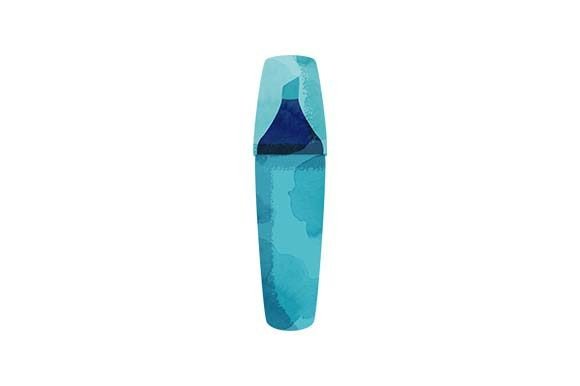
Exploring Blue Marker - Watercolor for Embroidery
When I first laid eyes on the Blue Marker - Watercolor design, it immediately evoked a sense of calm and creativity. The soft, flowing lines and gentle hues make it an ideal choice for projects that need a touch of artistic elegance.
A Versatile Design for Multiple Projects
The Blue Marker - Watercolor is not just visually appealing; it's also versatile. This design can seamlessly transition from custom embroidered tote bags to baby clothes, making it a valuable asset for any embroidery designer or small business owner. The fluid, watercolor-like effect adds a unique and sophisticated touch, perfect for creating standout products.
Real-Life Embroidery Scenarios
Imagine using this design on a custom tote bag. The Blue Marker - Watercolor would add a subtle, yet eye-catching element, making it a popular choice for boutique shoppers. For baby items, such as onesies or bibs, the gentle, soothing colors would be both charming and appropriate. Even on a sweatshirt, the design could bring a fresh, artistic vibe, appealing to those who appreciate a blend of comfort and style.
Performance in Real Embroidery Situations
When it comes to practical use, the Blue Marker - Watercolor holds up well. On smooth fabrics like cotton, the design stitches cleanly, with the satin and fill stitches blending beautifully to create a seamless, watercolor-like finish. However, it's important to test the design on scrap fabric first to ensure the stitch density and thread colors work harmoniously.
Careful Considerations for Specific Fabrics
While the Blue Marker - Watercolor is versatile, it requires some caution with certain materials. For instance, on textured or stretchy fabrics, the design may lose some of its clarity. Dark fabrics can also pose a challenge, as the subtle colors might not stand out as effectively. It's crucial to check these aspects before finalizing your project.
Enhancing Visual Appeal and Product Value
The Blue Marker - Watercolor significantly enhances the visual appeal of any product. Whether it's a personalized gift or a commercial embroidery project, the design adds a professional and polished look. This can boost customer trust and increase the perceived value of your handmade products, making them more attractive to buyers.
Practical Tips for Embroidery Designers
- Test on Scrap Fabric: Always start by testing the design on a similar fabric to your final project. This helps you identify any potential issues with stitch density or color contrast.
- Check Thread Colors: Ensure the thread colors complement the fabric. A high-contrast combination can make the design pop, while a low-contrast one can give it a more subtle, integrated look.
- Use Proper Stabilizer: The right stabilizer is key to maintaining the design's integrity, especially on stretchy or thin fabrics.
- Review Small Details: Inspect the design for any tiny details that might be challenging to stitch, particularly on smaller hoop sizes.
- Mockups and Previews: Use black and white mockups to see how the design looks without color. This can help you visualize the overall layout and stitch quality.
Conclusion: A Valuable Addition to Your Design Library
In summary, the Blue Marker - Watercolor is a fantastic addition to any embroidery designer's toolkit. Its versatility, visual appeal, and practical performance make it a great choice for a wide range of projects. Just remember to test and adjust as needed to ensure the best possible results. Happy stitching!